
You didn't plan to be sleeping somewhere unfamiliar this week. But here you are — a hotel room draining your savings by the night, a parking garage you've learned to navigate in the dark, meals from a vending machine or a drive-through because there isn't a real kitchen and you're too tired to figure out the alternative. This is hard, and that exhaustion is real. You're also not alone in this. Most families in your situation don't know that more options exist — including free ones — than the hotel by the hospital exit. This guide is here to help you find them.
If you're trying to figure out where to stay while a family member is in the hospital in Atlanta, start here — and start with the free options. This guide leads with free and low-cost housing programs, not paid ones. Before you book anything — before you extend your hotel another night — your first call should be to your hospital's social worker or patient-services team. They know what's available, they know waitlists and eligibility, and they can make referrals that open doors you can't open on your own. That single call is worth more than any amount of searching online.
The hospitals covered in depth here are Children's Healthcare of Atlanta (Scottish Rite and the new Arthur M. Blank Hospital), Shepherd Center, and Emory University Hospital and Winship Cancer Institute. If your loved one is at a different Atlanta-area hospital, skip to the Healthcare Hospitality Network section and the FAQ — both have options for you.
Free and Low-Cost Housing Programs: The First Place to Look
These programs were built specifically for families in your situation. They are not a last resort. They are not charity you need to earn. They exist because families traveling for a child's bone marrow transplant, a spouse's spinal cord rehabilitation, or a parent's cancer treatment should not have to drain their savings on a hotel room. Your hospital's social worker is the fastest way into most of them — ask by name.
Ronald McDonald House Atlanta
Ronald McDonald House Atlanta provides free, home-like lodging for families of pediatric patients — children and young adults up to age 21 — who are receiving active medical treatment. To be eligible, the patient generally needs to be 21 or younger and the family needs to live more than 50 miles from the hospital. A referral from a hospital social worker is the standard path in.
RMH Atlanta has houses near Arthur M. Blank Hospital and near the Scottish Rite (Sandy Springs) campus, with dozens of private rooms between them — supporting thousands of families each year and saving them substantial lodging costs.
What you'll actually find there: communal dinners made by volunteers, a real kitchen you can use any time, laundry facilities, and rooms close enough to the hospital that you can walk. The suggested donation is $20 per night, and no family is ever turned away for inability to pay it. Call your CHOA social worker first — they handle referrals directly and know current availability.
ACS Hope Lodge Atlanta
Hope Lodge Atlanta, operated by the American Cancer Society, is completely free for adult cancer patients and one caregiver while the patient is in active treatment. There are 57 private rooms on the Emory/Decatur campus, which puts families close to Winship Cancer Institute and Emory University Hospital.
Hope Lodge is not pediatric — it serves adults in active cancer treatment with a referral from their oncology or treatment team. To apply or ask about availability, speak with your Winship oncology social worker, or reach the American Cancer Society directly. Private rooms mean real privacy, which matters when you're weeks or months into a treatment cycle and you need space that's yours.
Emory Mason Guest House — Transplant Families
The Emory Mason Guest House offers low-cost lodging on the Emory campus for transplant candidates, recipients, living donors, and their families. This is transplant-specific — it is not a general guest house for Emory patients. If your loved one is going through a transplant at Emory, this is the program to ask your transplant team about.
Contact the Mason Guest House directly at (404) 712-5110, or ask your transplant coordinator for a referral. Proximity to the transplant unit and a lower cost than Atlanta hotels make it a meaningful option for what can be a long and uncertain stay.
Shepherd Center's Family Residences
When Shepherd Center found that more than half of its patients come from outside Georgia, the hospital — with the help of a $50 million grant from the Arthur M. Blank Family Foundation — built housing to match. The Arthur M. Blank Family Residences opened in 2024, adding approximately 160 apartments designed around the reality of a Shepherd stay: an average of about 60 days, sometimes longer, for a patient focused on rehabilitation from spinal cord injury, brain injury, or stroke.
The residences are provided for qualifying families traveling more than 50 miles. They exist because the Shepherd team understands that a patient cannot fully focus on rehab while their family is burning through savings at a nearby hotel. To access Shepherd Center family housing, call (470) 386-2002 or speak with your Shepherd social worker, who can advocate for you and explain current availability.
Healthcare Hospitality Network
The Healthcare Hospitality Network (hhnetwork.org) maintains a national directory of nonprofit patient-family hospitality houses across the country — most of them free or very low cost, regardless of income. These facilities meet a "Certified Hospitality House" standard. If your hospital isn't covered by the programs above, or if the primary programs have a waitlist when you need housing now, HHN is where to look next. The directory is searchable by state and hospital.
What to Look For in a Place to Stay (Beyond the Basics)
Whether you're evaluating a charity program, an extended-stay hotel, or a furnished apartment, a few things matter more than most people realize when the stay is measured in weeks or months — not nights.
Proximity. Every extra mile between your housing and the hospital is another drive, another parking cost, and one more small obstacle to being present. Near the hospital is not just convenient — for the families who are there every day, it changes what's possible.
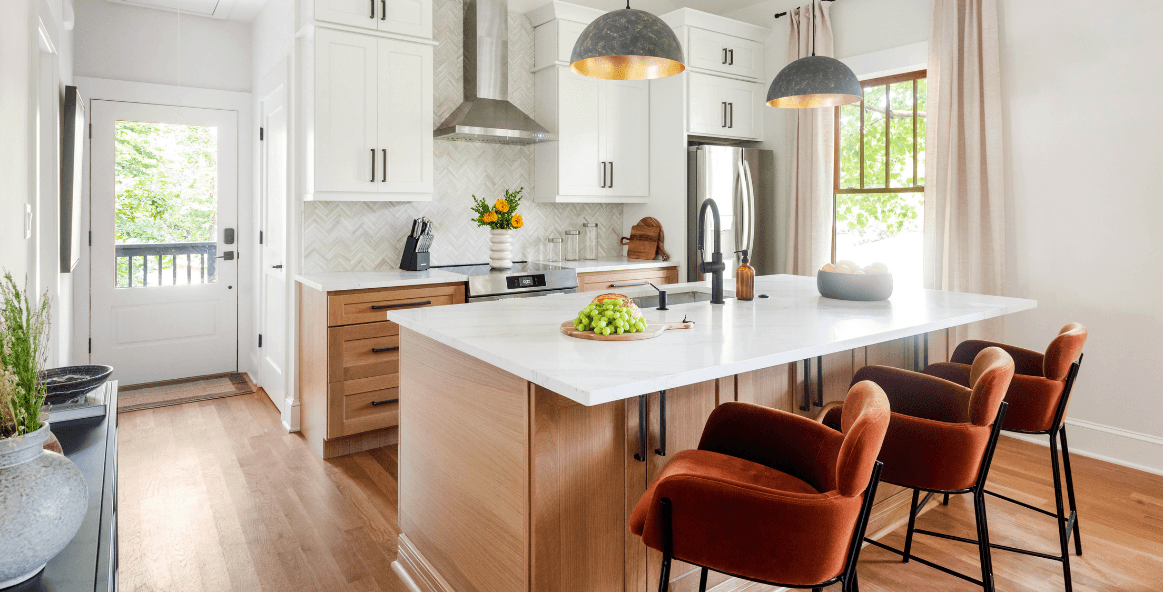
A real kitchen. For family members of immunocompromised patients, dietary control is not a preference — it can be a medical requirement. But beyond that, cooking something simple at 9 p.m. is one of the few things that makes a long stretch of hospital time feel like a life rather than an emergency. A real kitchen grounds you.
Laundry. Over a 60-day stay, in-unit or on-site laundry is not a luxury — it's a basic need that hotel stays handle badly and expensively.
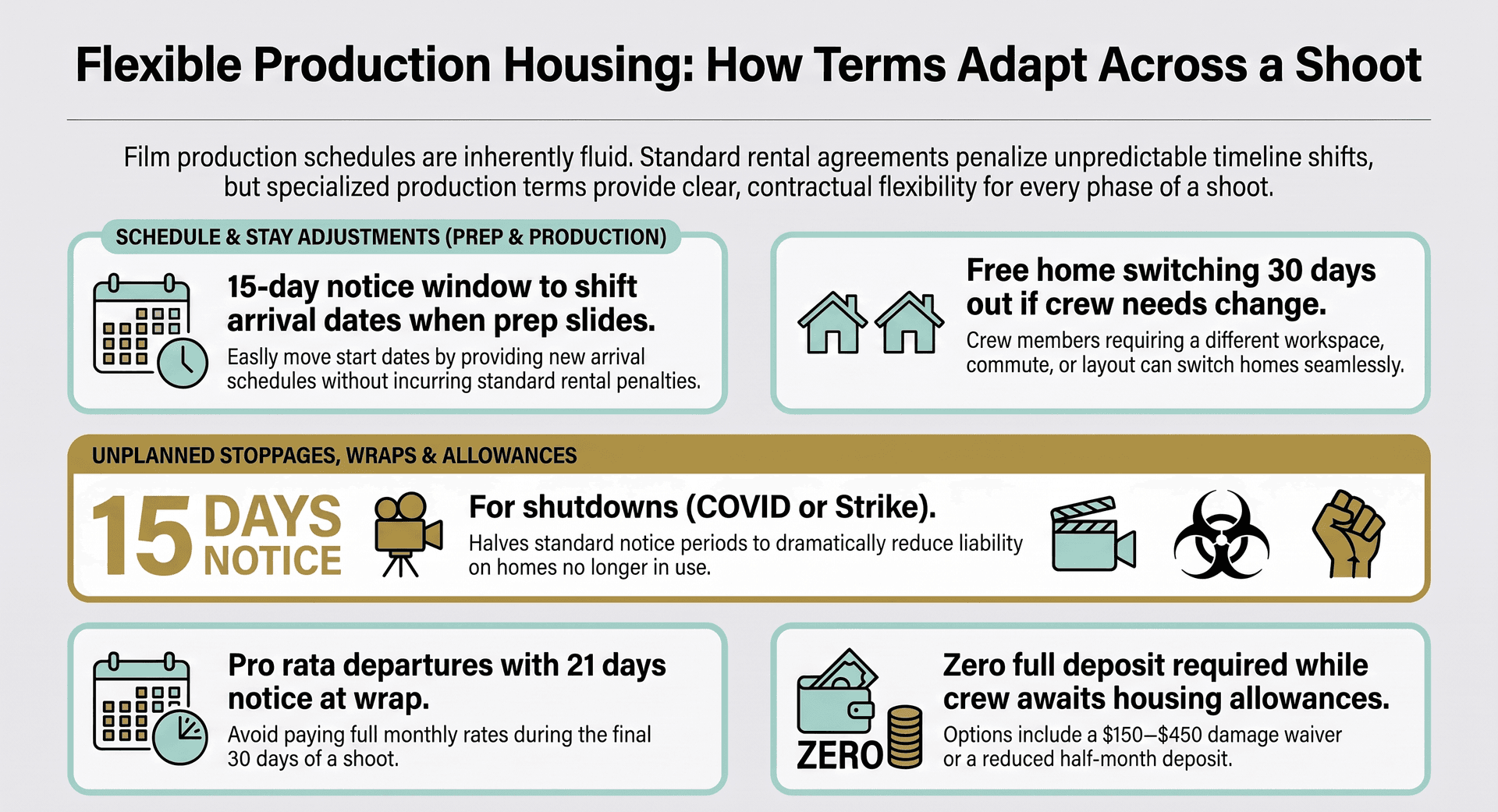
Flexibility. Discharge dates shift. Treatment timelines change. Whatever you commit to should offer week-to-week or month-to-month terms, or a documented medical-hardship cancellation clause. Get that in writing before you sign anything, and avoid arrangements that carry full early-departure penalties.
Your own space. A quiet room where you can close the door, sit with your thoughts, and not be "on" — this matters more than it sounds. Grief and fear need somewhere private to land.
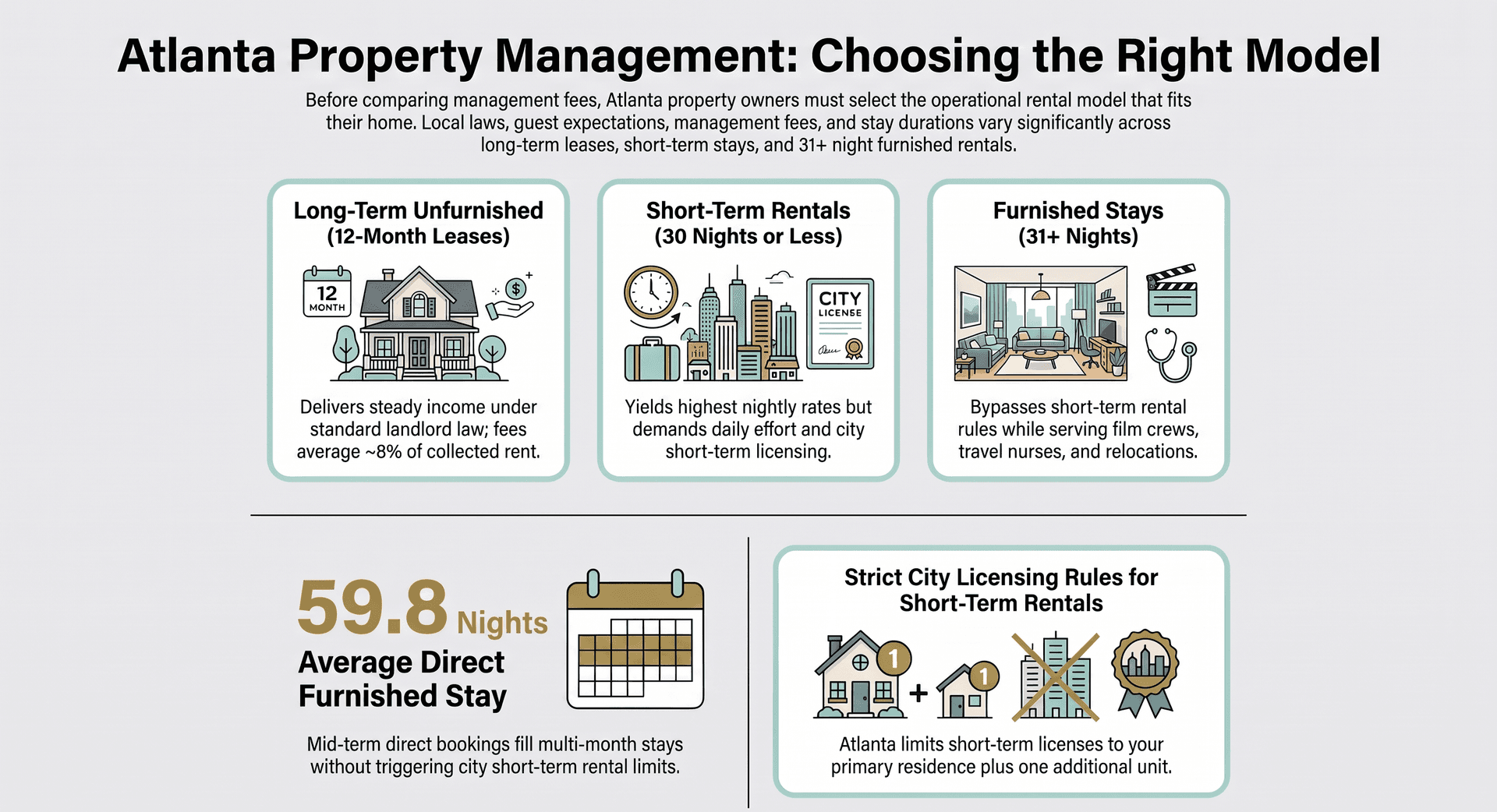
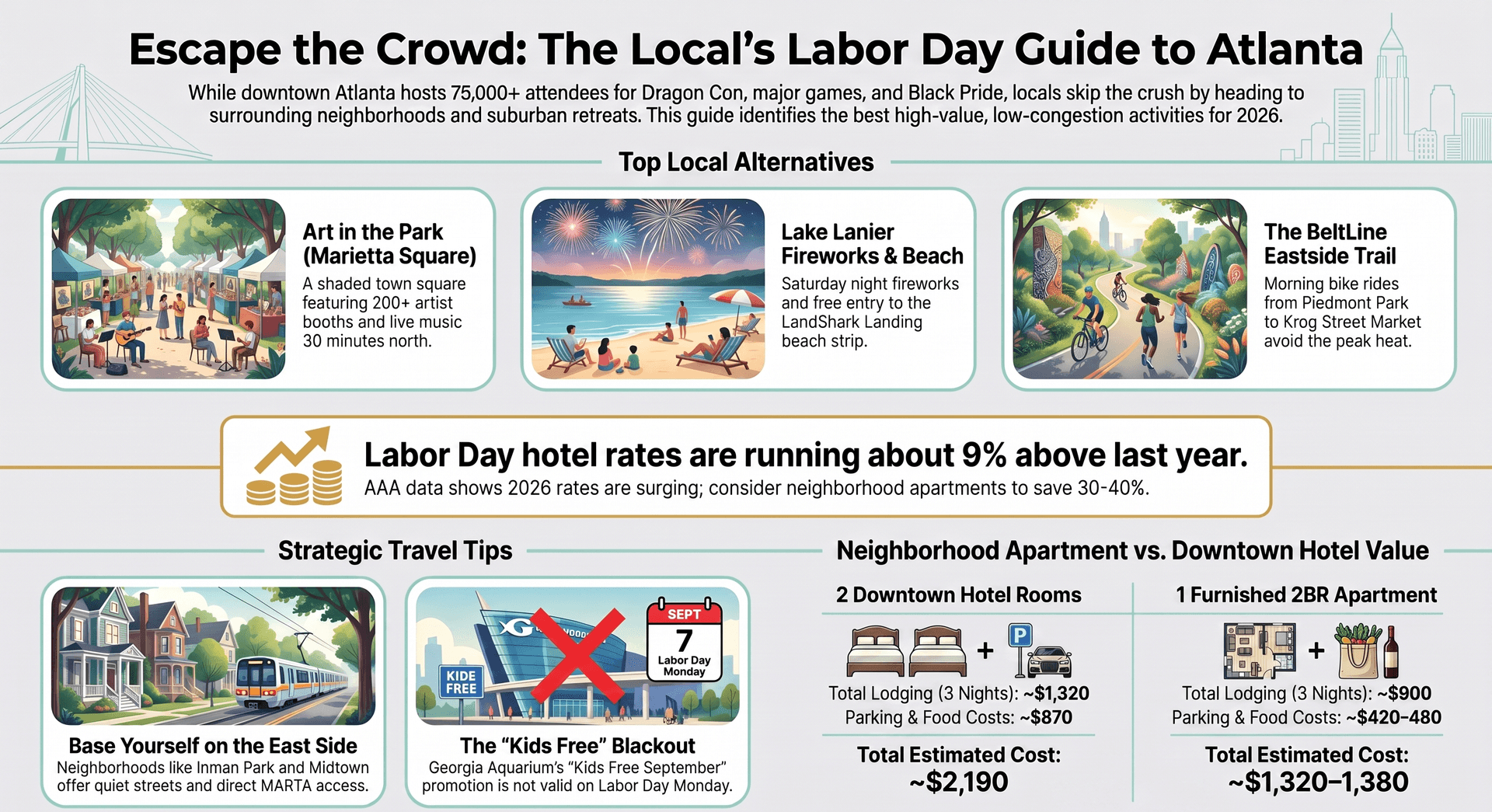
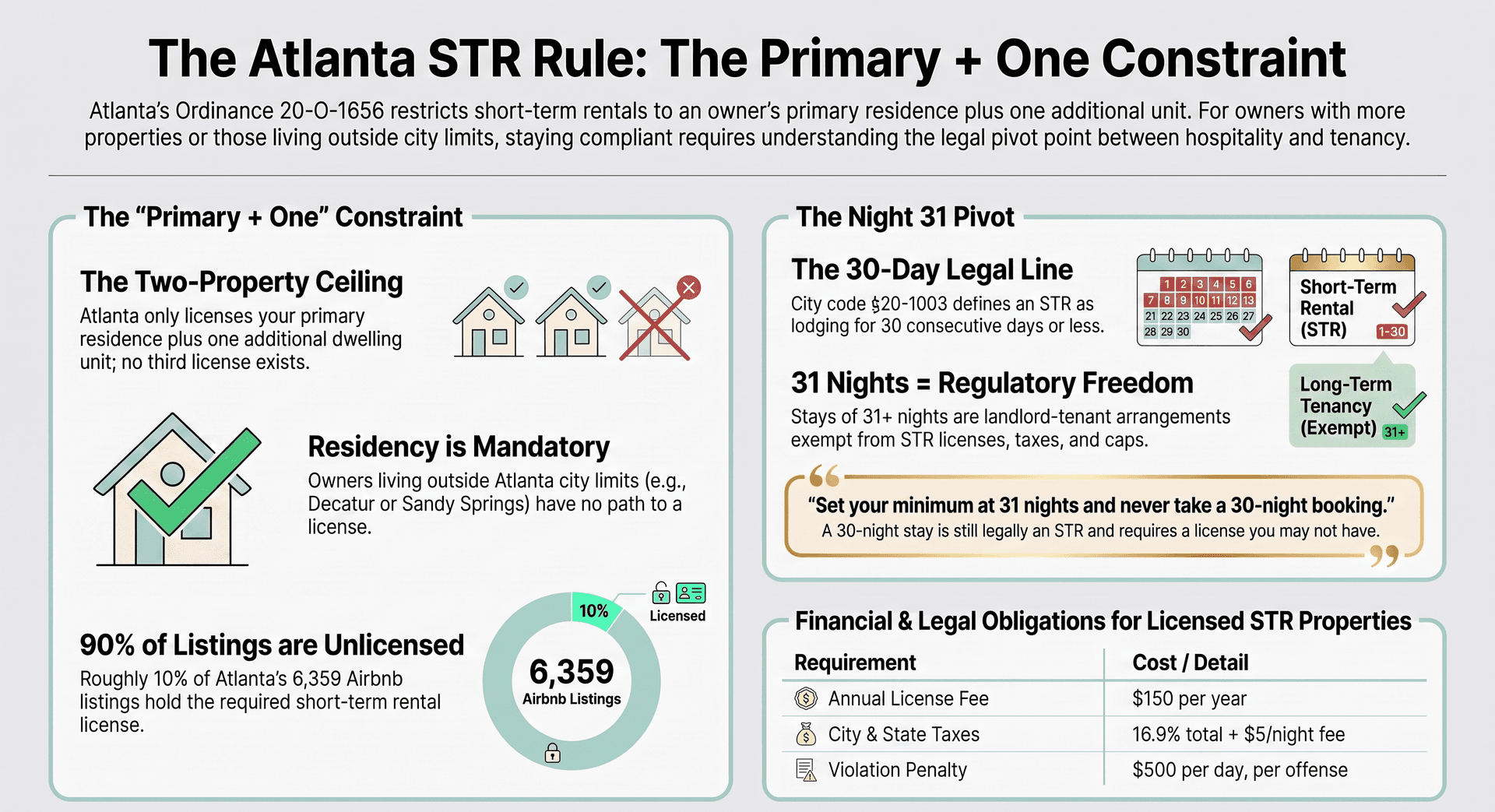
The cost reality. For stays of 30 days or longer, furnished apartments are typically 30 to 40 percent less per night than comparable hotels. Georgia also exempts stays of 30 or more consecutive days from hotel and occupancy taxes, which compounds the savings meaningfully over a long treatment cycle. If you're looking beyond the charity programs, the math on a furnished monthly rental often shifts in your favor faster than you'd expect.
Where to Stay Near Atlanta's Major Hospitals
Near Children's Healthcare of Atlanta (Scottish Rite / Arthur M. Blank Hospital)
Children's Healthcare of Atlanta's Arthur M. Blank Hospital opened in 2024 with 446 beds and was designed, from the start, with parents in mind. Rooms include sofa beds, family kitchenettes are available on each floor, and in-room laundry means you're not hunting a coin machine at midnight. For shorter or acute stays, many parents simply stay with their child in the room — no hotel needed.
For longer stays — bone marrow transplant, oncology, multi-month isolation — that stops being possible, and the logistics compound fast. Parking costs add up in ways that feel insulting on top of everything else you're managing. For those situations, Ronald McDonald House Atlanta has houses near both Arthur M. Blank Hospital and the Scottish Rite (Sandy Springs) campus, and the CHOA patient-services team handles referrals directly.
Your first call is the CHOA patient-services team. They know current Ronald McDonald House availability, can fast-track a referral, and often know resources that aren't posted anywhere online.
Near Shepherd Center
Shepherd Center sits in Buckhead on Peachtree Road NE, and the average rehabilitation stay runs about 60 days — sometimes longer. That timeline is too long for a hotel and too uncertain for a standard lease. It's a gap that most housing options weren't built for.
Shepherd Center's Arthur M. Blank Family Residences — approximately 160 apartments that opened in 2024 — are the first call for families traveling from more than 50 miles away. They're close, they're provided for qualifying families, and they exist specifically because the alternative was families burning through savings at a hotel while trying to support someone relearning to walk. To apply, call (470) 386-2002 or ask your Shepherd social worker.
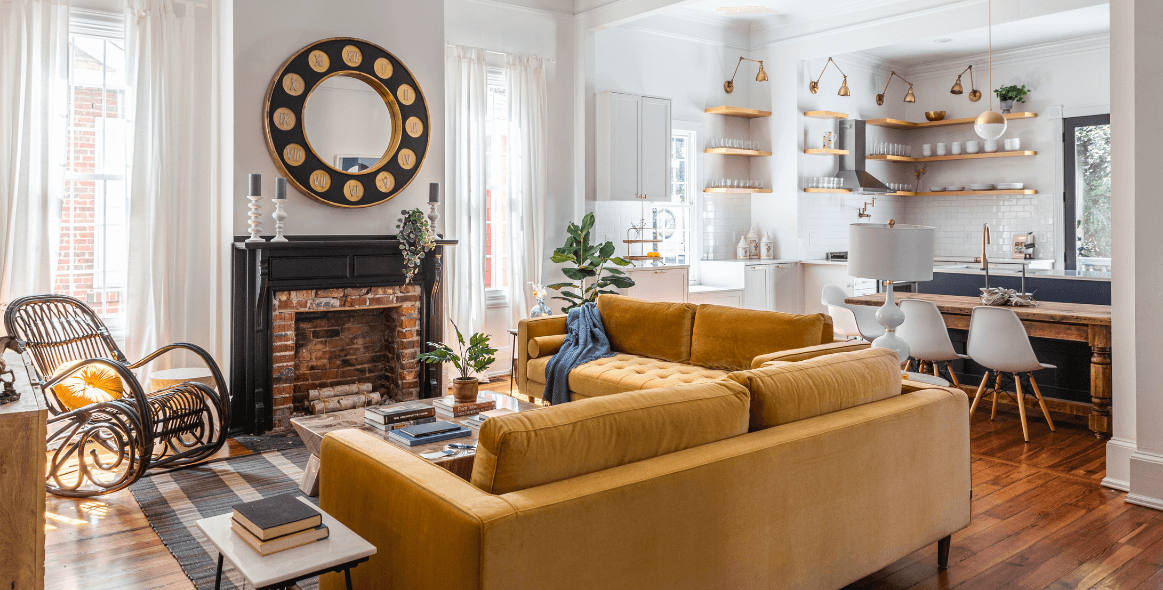
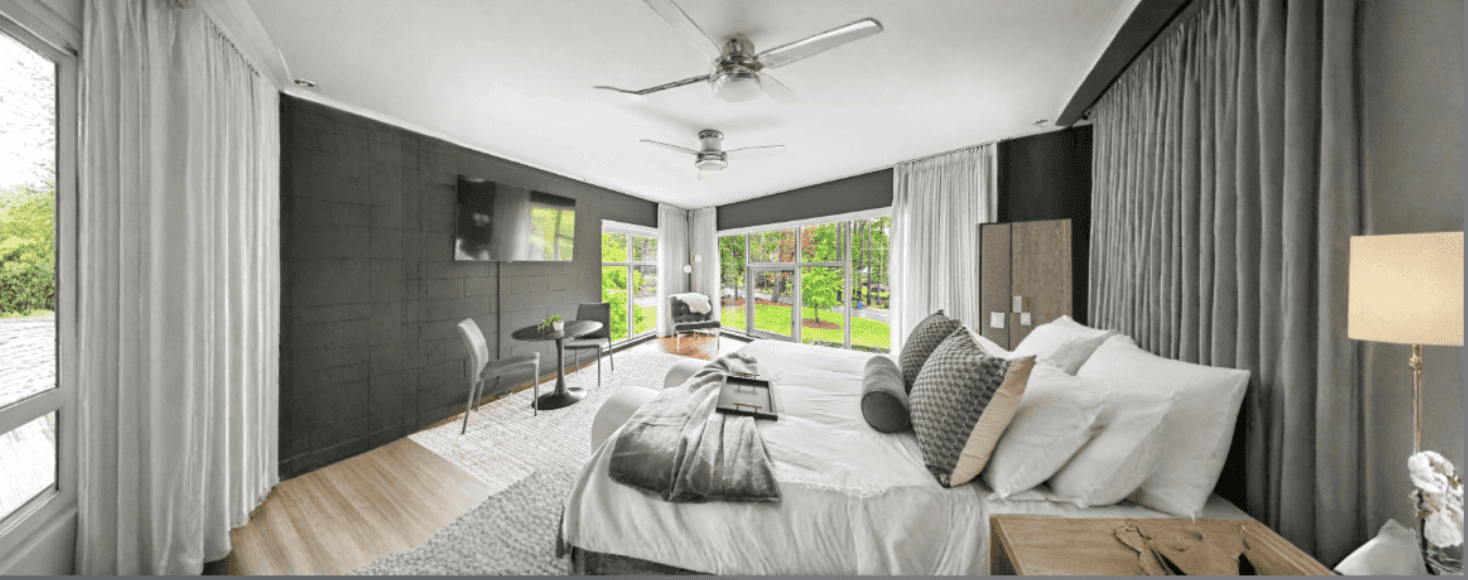
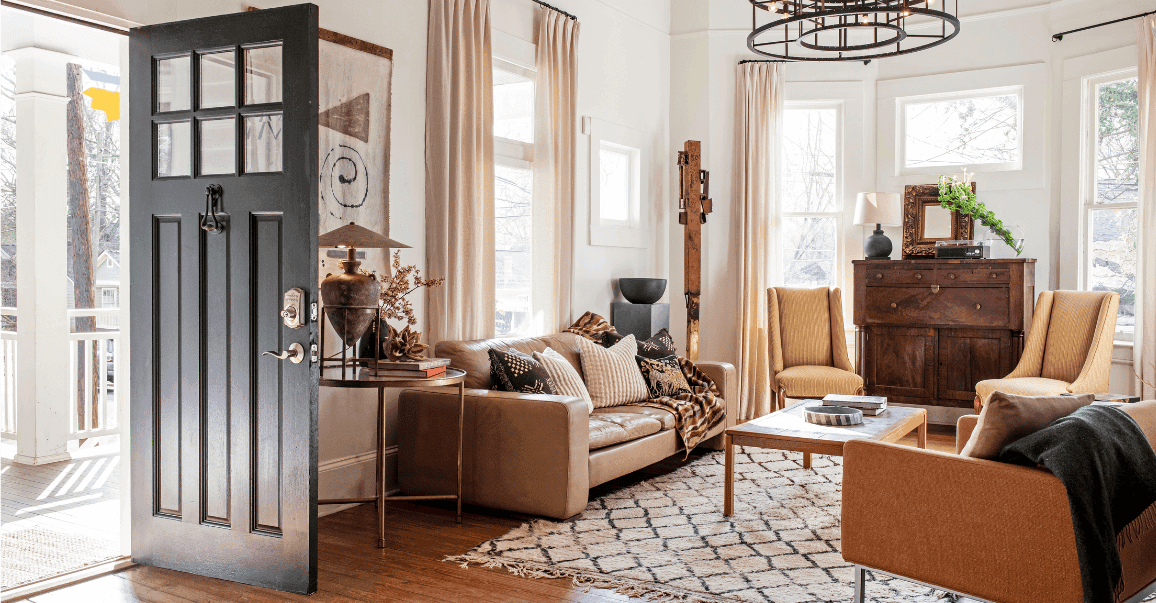
When the Residences are at capacity, or for families who don't meet the distance threshold, furnished monthly apartments in Buckhead and Midtown — a few miles from the Center — offer a similar shape: a real kitchen, quiet, flexibility, no full lease commitment. Shepherd's social work team knows the local landscape and can point you toward what's actually available.
Near Emory University Hospital and Winship Cancer Institute
Winship Cancer Institute sits on Emory's main campus along Clifton Road in Druid Hills. Cancer treatment cycles often mean coming and going over six months or more — not one continuous stay, but a series of treatment weeks with recovery periods in between. That rhythm makes housing flexibility particularly important.
The primary free option is ACS Hope Lodge Atlanta: 57 private rooms on the Emory/Decatur campus, completely free for patients in active cancer treatment and one accompanying caregiver. Referrals go through your Winship oncology social worker.
For transplant patients and their families, the Emory Mason Guest House provides low-cost lodging on campus — that number is (404) 712-5110. Eligibility is specific to transplant-related stays.
Families of immunocompromised patients often need a full kitchen nearby — for safe food preparation and dietary control, which can genuinely be part of the medical picture. Talk to your oncology social worker about what your situation requires; they can advise on the right setup and the resources that fit it.
A Few Practical Things That Help
Your hospital social worker is not just a referral source. They know about financial aid, meal vouchers, parking passes, and community organizations that never make it onto any website. They have information that doesn't exist in any search result. If you haven't introduced yourself to yours, do that this week.
Financial support extends beyond housing. 211.org connects Georgia residents to assistance with food, transportation, medication costs, and utilities — you don't need to be in an extreme situation to call. Hospital patient navigators can often do the same, and they're already inside the system with you.
Give yourself somewhere real to rest. Caregiver burnout is predictable, not a personal failure — and it doesn't help the person you came here for. A real bed, a real kitchen, and your own space are not indulgences. They're how you keep showing up the next day, and the day after that.
Before you commit to any housing — charity, extended-stay hotel, or furnished apartment — confirm flexible cancellation terms in writing. Treatment timelines shift. You want to know what happens to your money if discharge comes early, or late.
Keep a simple record of your housing and travel costs. Some aid programs and grants will partially reimburse documented expenses, but only if you have the receipts and dates. A running note on your phone is enough.
Honest Answers to the Questions Families Ask Most
What if I genuinely can't afford anything, even low-cost options?
Start with your hospital social worker before you assume you're out of options. Ronald McDonald House Atlanta operates on a suggested donation of $20 per night, and no family is ever turned away for inability to pay — that's a firm policy, not a soft commitment. ACS Hope Lodge is completely free. Shepherd's Family Residences are provided for qualifying families. Your social worker can also connect you to emergency aid funds and community organizations that aren't publicly advertised. Ask directly: "What exists that I might not know about?"
How long are the waitlists for Ronald McDonald House and Hope Lodge?
Honestly, it depends. Ronald McDonald House Atlanta has dozens of rooms across its two Atlanta houses; Hope Lodge has 57 rooms. Neither can guarantee immediate availability, and demand is real. Your social worker can check current status and advocate on your behalf — that matters. In the meantime, have a few-night backup in mind: an extended-stay hotel or a short-term apartment for the first stretch while you wait. Don't let uncertainty about waitlists stop you from applying immediately.
Is a furnished apartment actually cheaper than a hotel for a long stay?
For stays of 30 days or more, typically yes — often 30 to 40 percent less in total cost. Georgia also exempts stays of 30 or more consecutive days from hotel and occupancy tax, which adds up over a multi-month stay. Add in the ability to cook most of your meals, and the real cost gap between a hotel and a furnished apartment widens further. These aren't small differences over 60 days.
Discharge timing is uncertain. What's the safest arrangement?
Look for housing on week-to-week or month-to-month terms, or ask specifically about a documented medical-hardship clause that waives early-departure penalties. Some operators offer this; others won't, so ask before you sign anything. Whatever the policy is, get it in writing. Verbal assurances about flexible departure don't hold up when something changes quickly, and something almost always does.
My loved one's hospital isn't listed here. Where do I start?
Start with that hospital's social-work or patient-services team — they know what exists locally. For a broader search, the Healthcare Hospitality Network maintains a national directory of nonprofit patient-family hospitality houses, most of them free or very low cost. You can also call 211 (Georgia's statewide helpline) — they can connect you to local housing assistance, financial aid, and other resources specific to your situation.
You Do Not Have to Figure This Out Alone
Start with your hospital's social-work or patient-services team. That's the first call — not a search engine, not a hotel booking site. They know what's available, who to call, and how to help you move quickly.
The major free programs are worth knowing by name. Ronald McDonald House Atlanta serves pediatric families near CHOA. ACS Hope Lodge Atlanta serves adult cancer patients and one caregiver at no cost. Shepherd Center's Arthur M. Blank Family Residences serve families traveling more than 50 miles for rehabilitation. The Emory Mason Guest House serves transplant patients and their families at low cost. These programs were built for this. Ask about them.
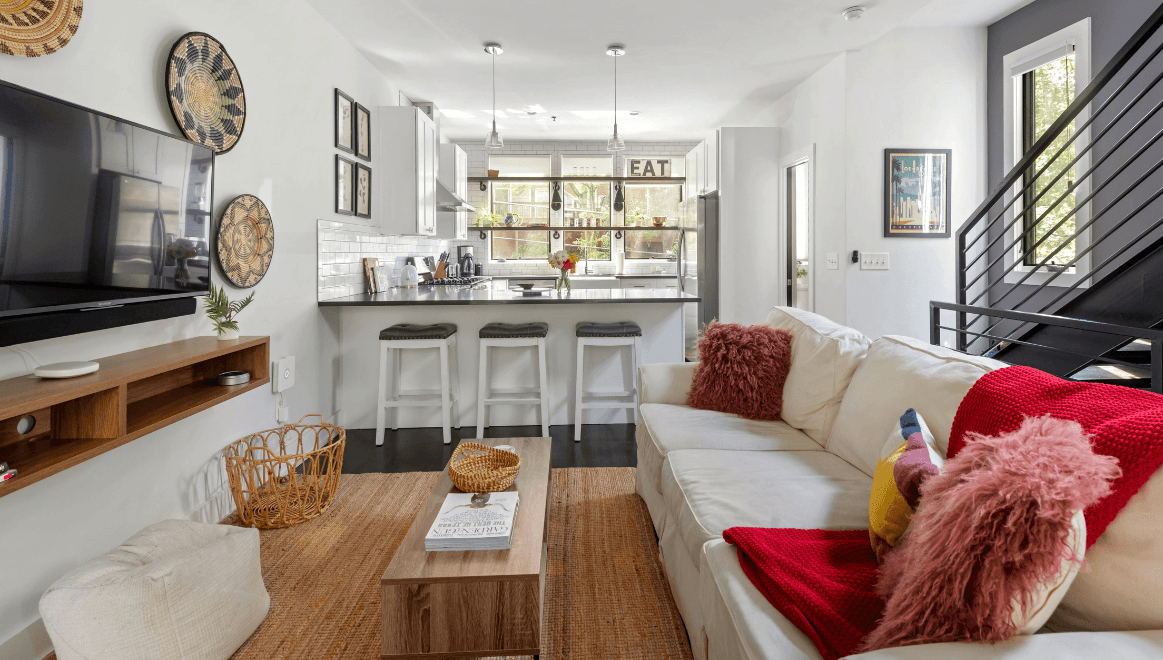
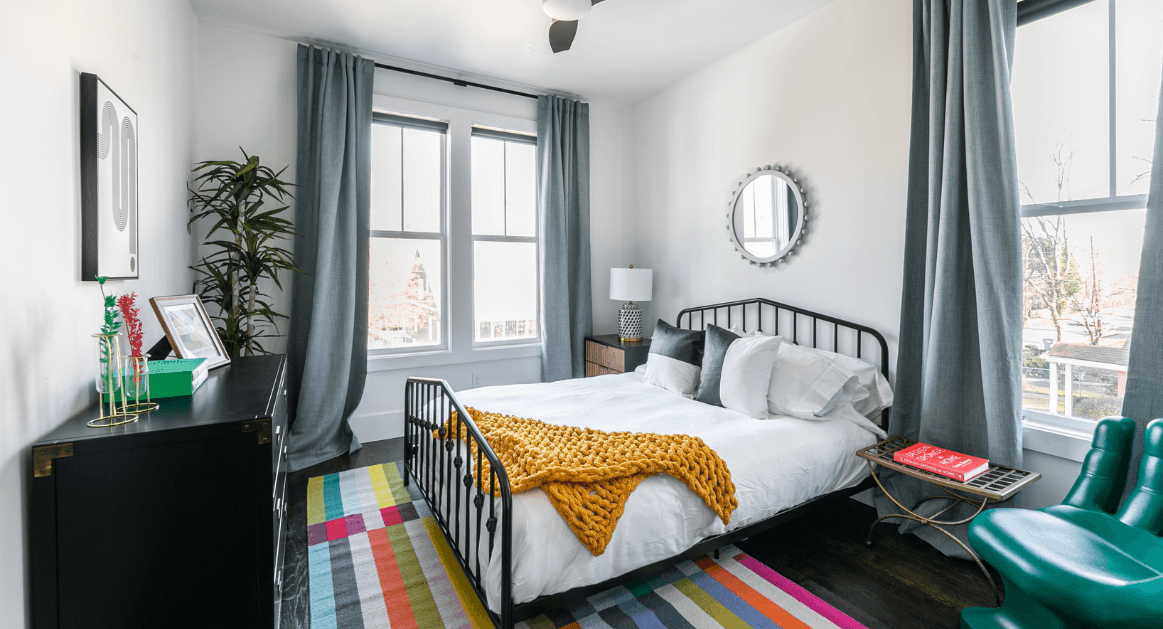
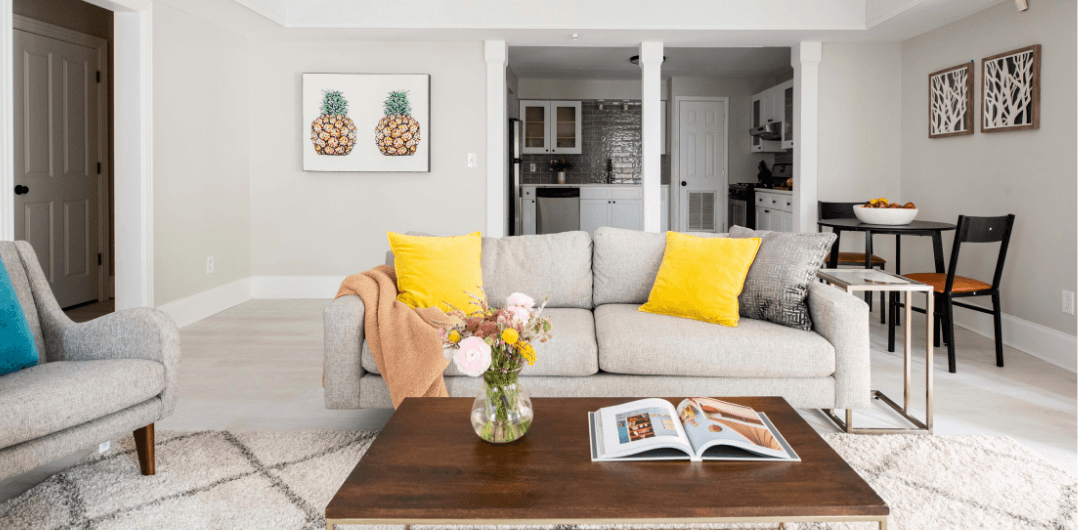
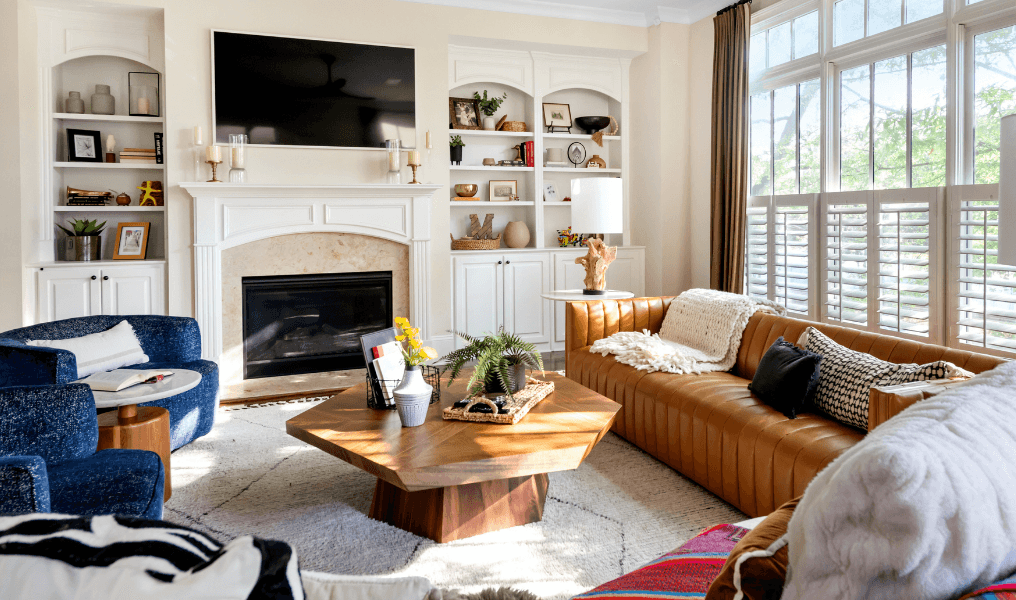
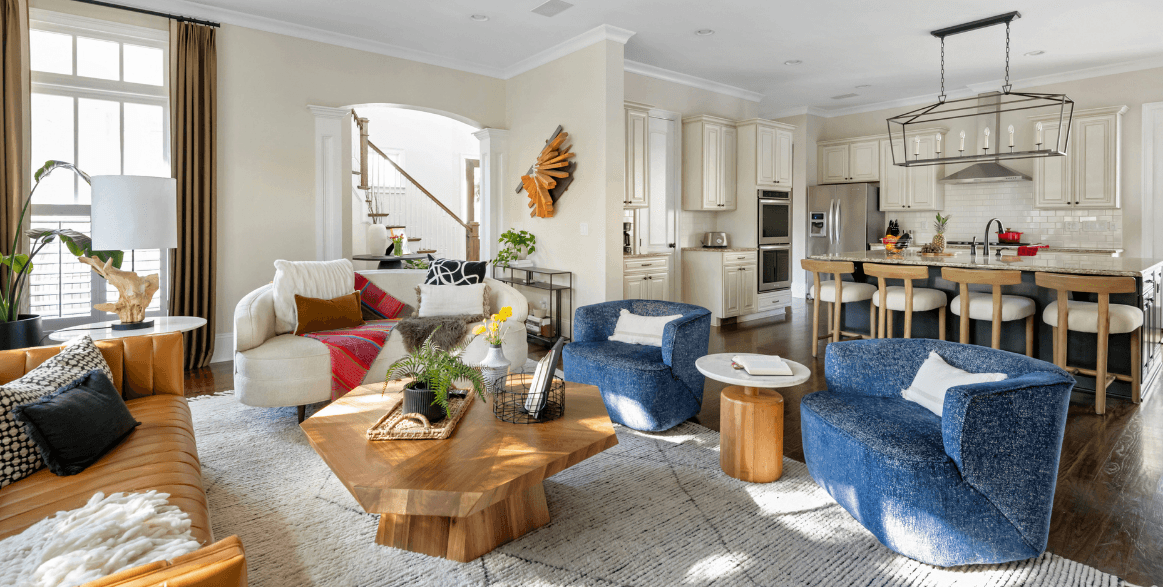
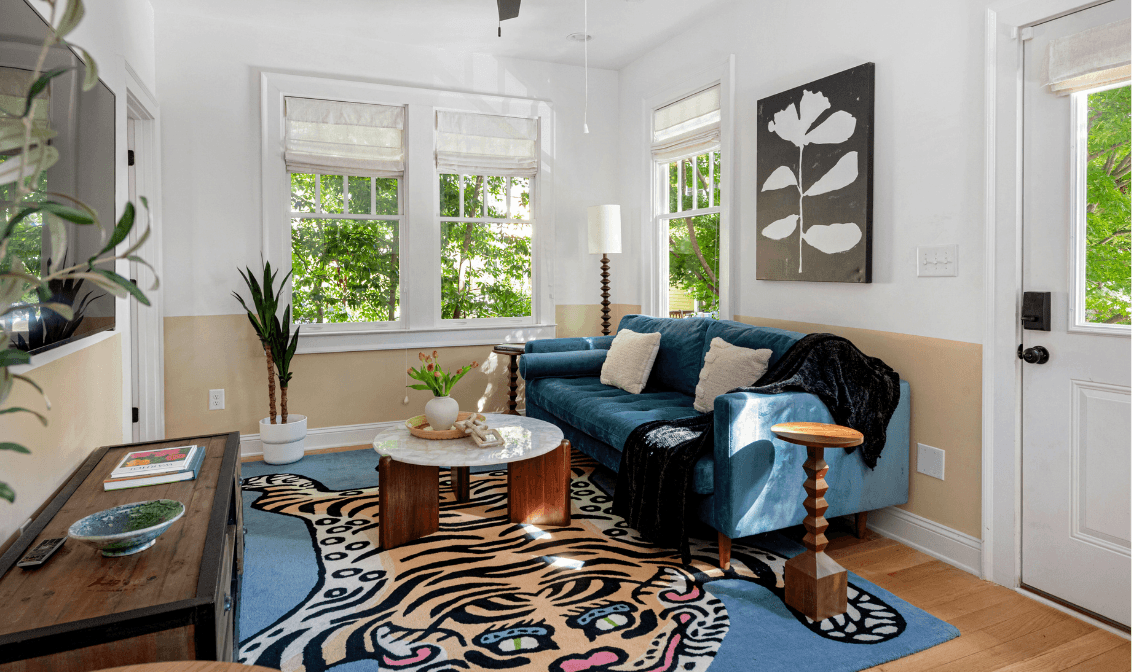
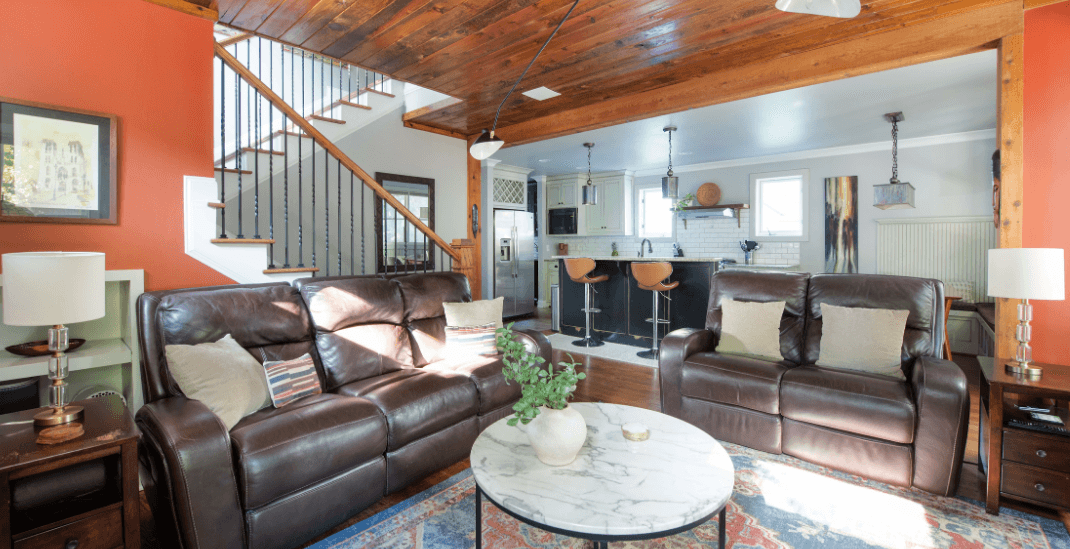
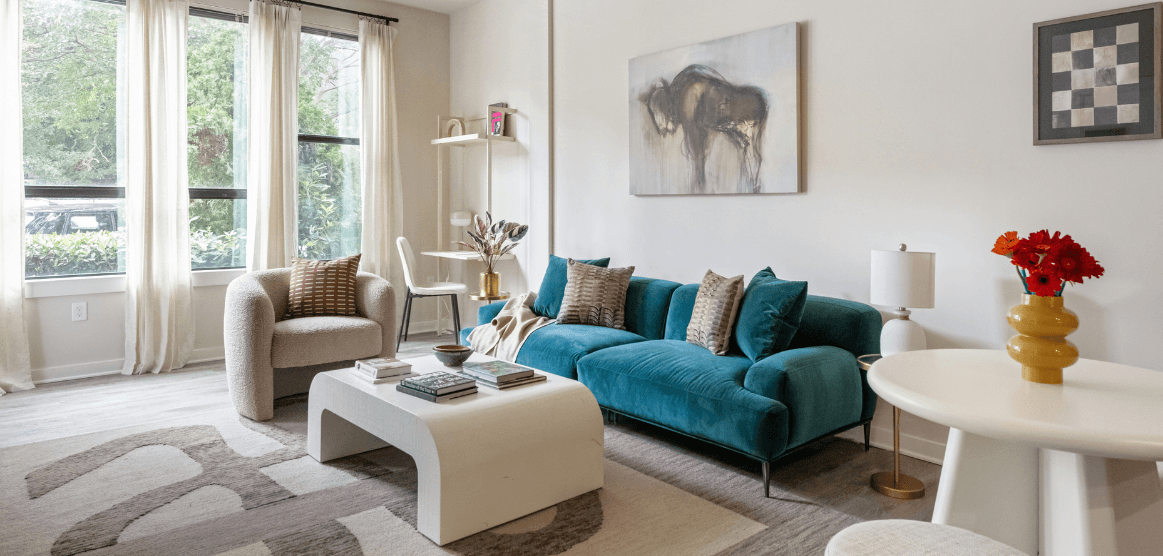
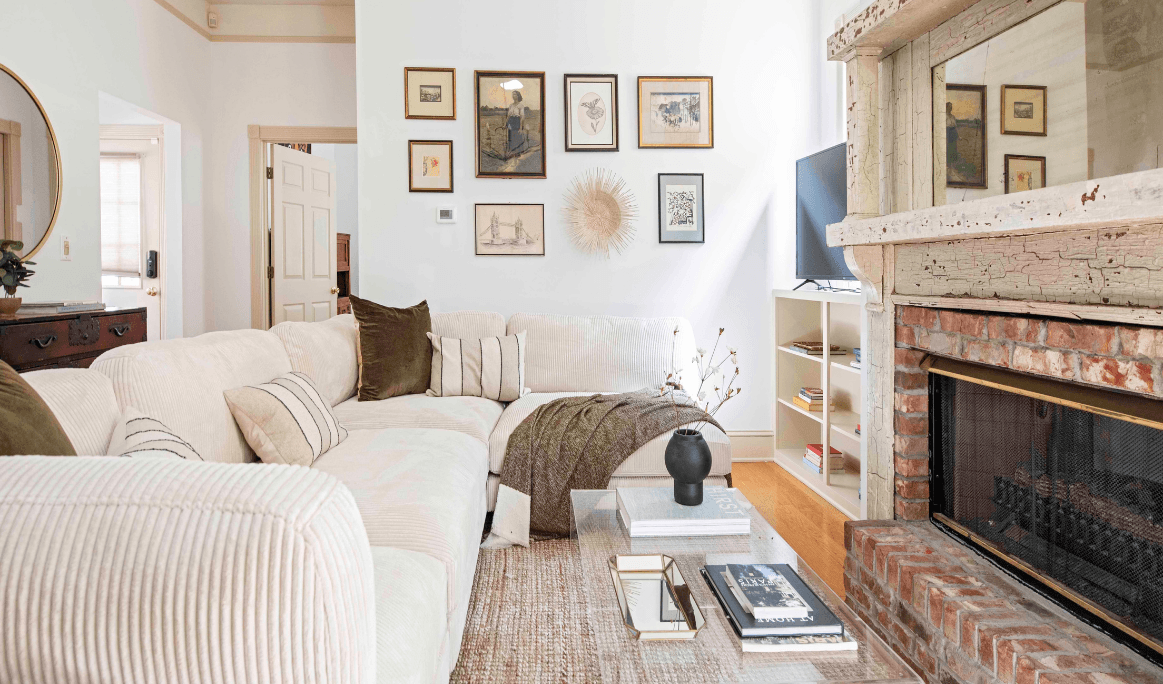
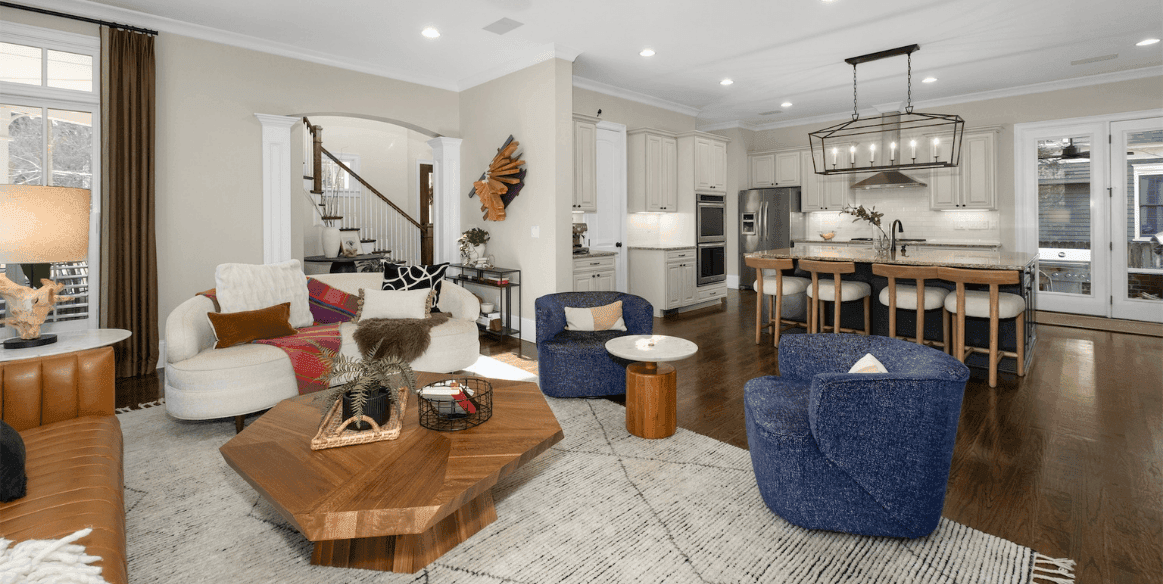
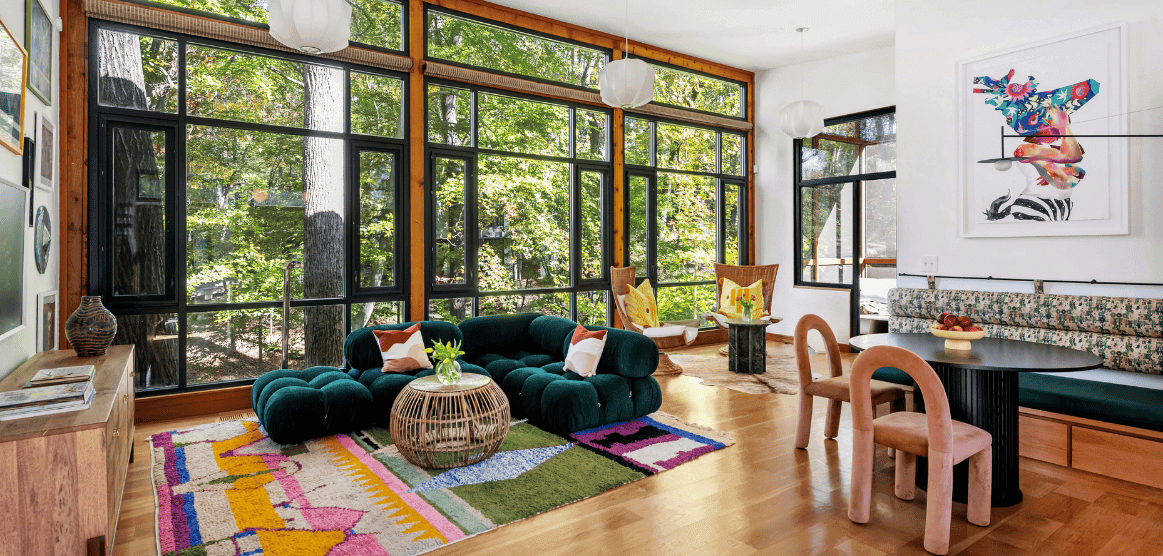
Not everyone will qualify. Waitlists are real. Some families need something between a hotel and a formal lease — a furnished place with a real kitchen, month-to-month terms, and enough space to actually rest. Minty Living offers furnished apartments near Atlanta's hospital corridors on flexible month-to-month terms, for families outside charity eligibility or those who need a longer base with their own space.
Whatever you find, know this: taking care of yourself is not a distraction from caring for them. It's how you keep showing up.
How Minty Living Fits In
The programs listed in this guide — Ronald McDonald House, Hope Lodge, Shepherd's Family Residences, the Mason Guest House — come first. Always. If your family qualifies, start there.
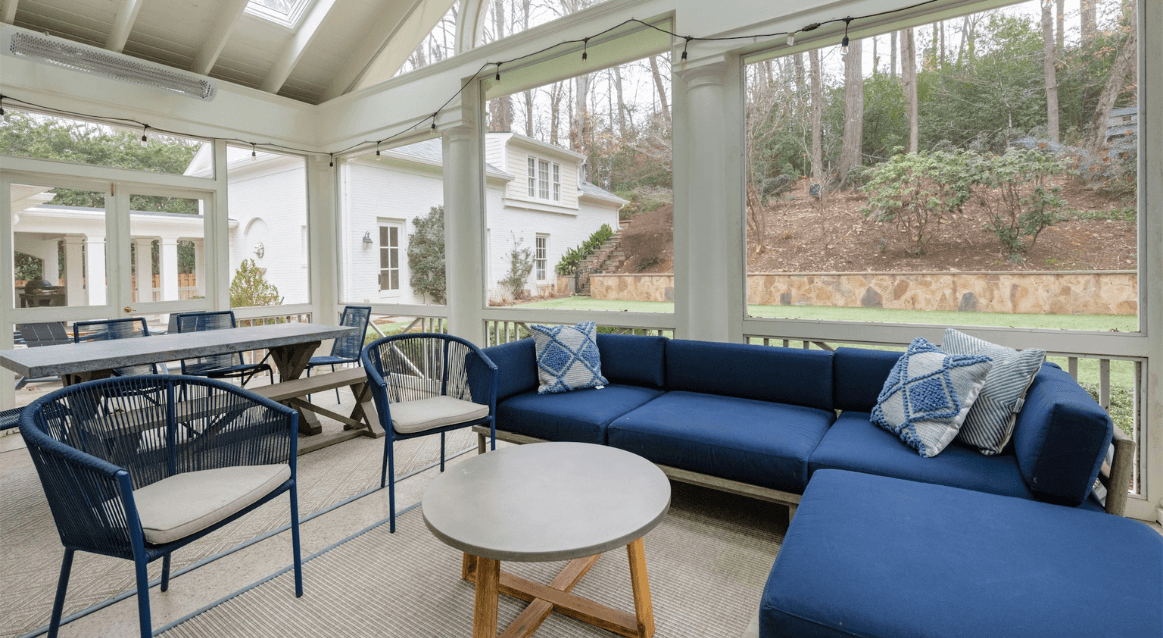
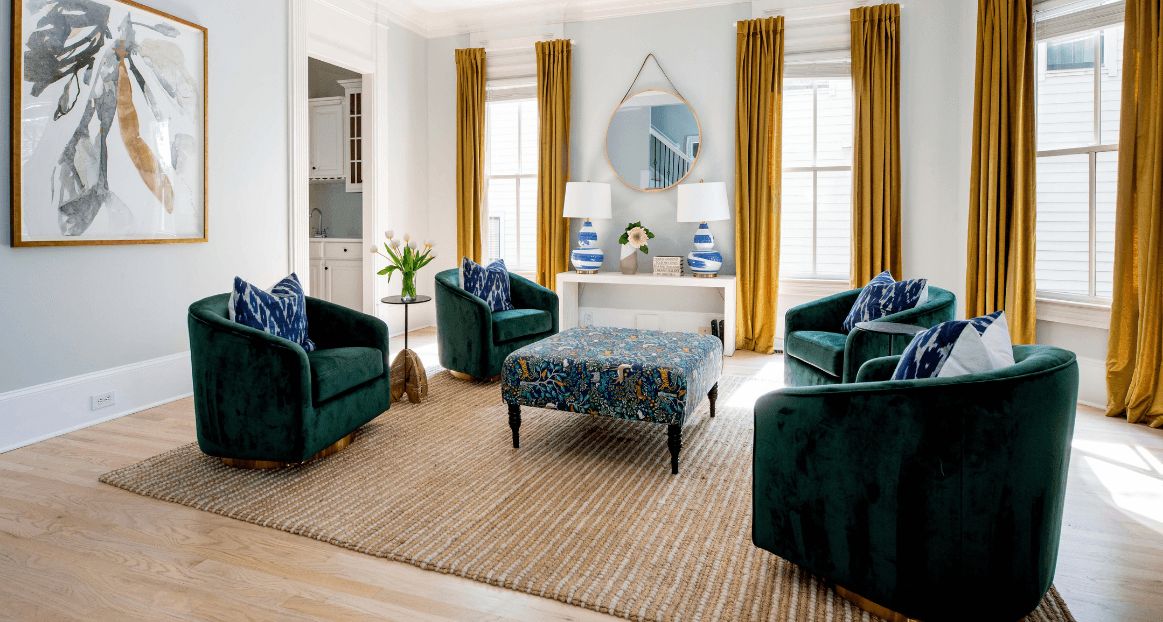
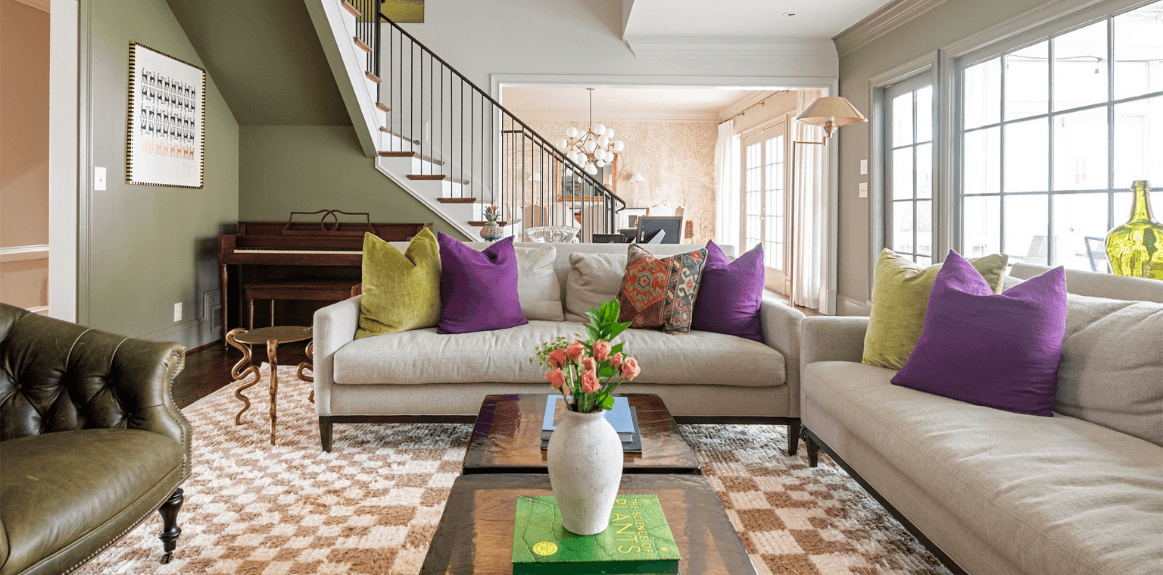
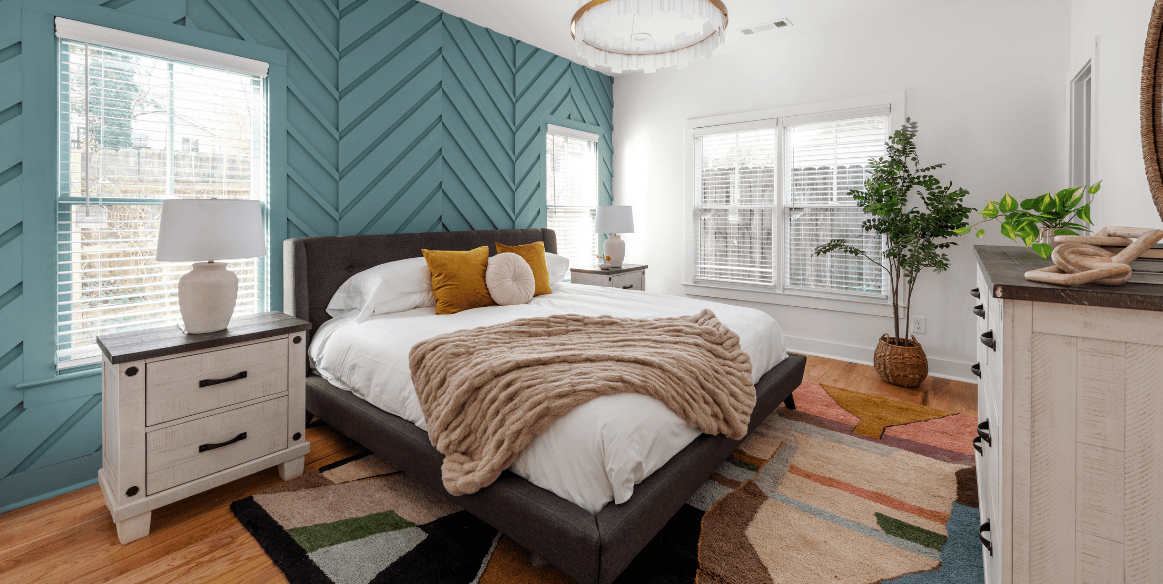
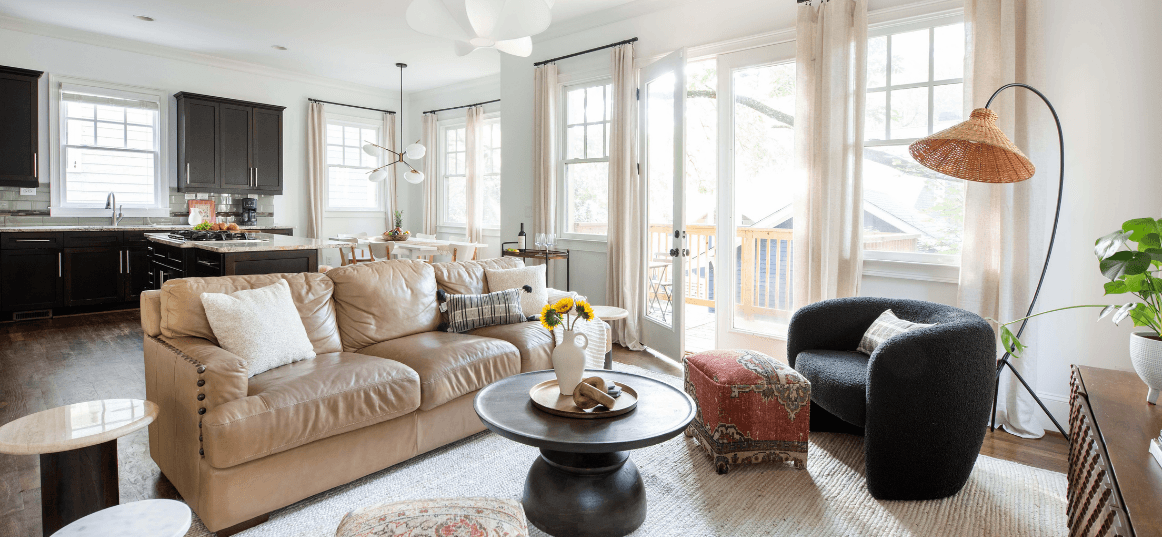
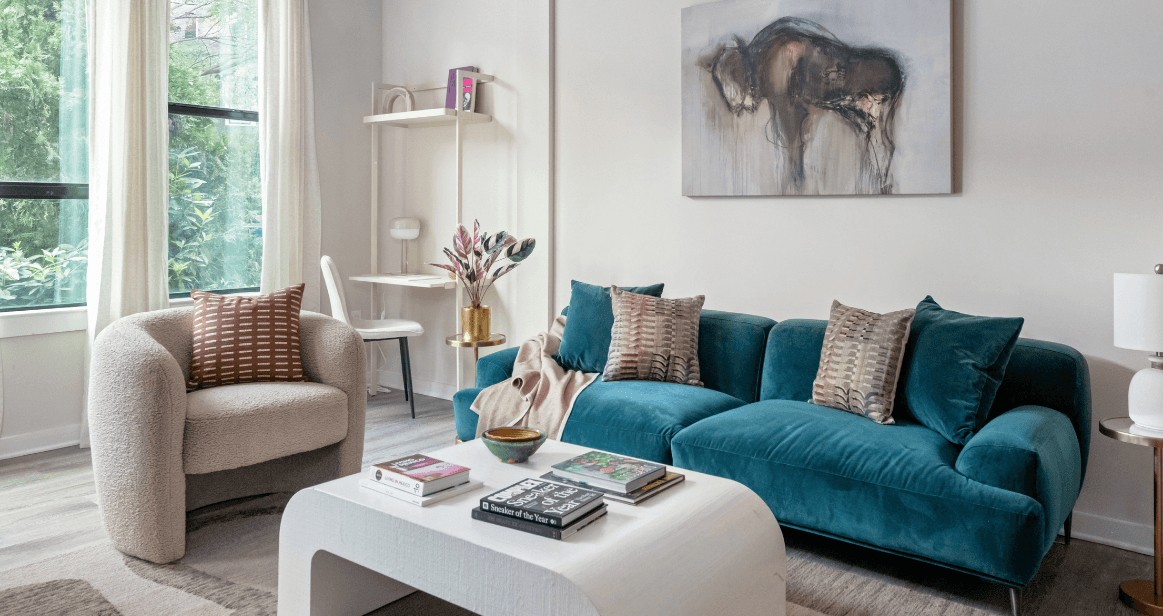
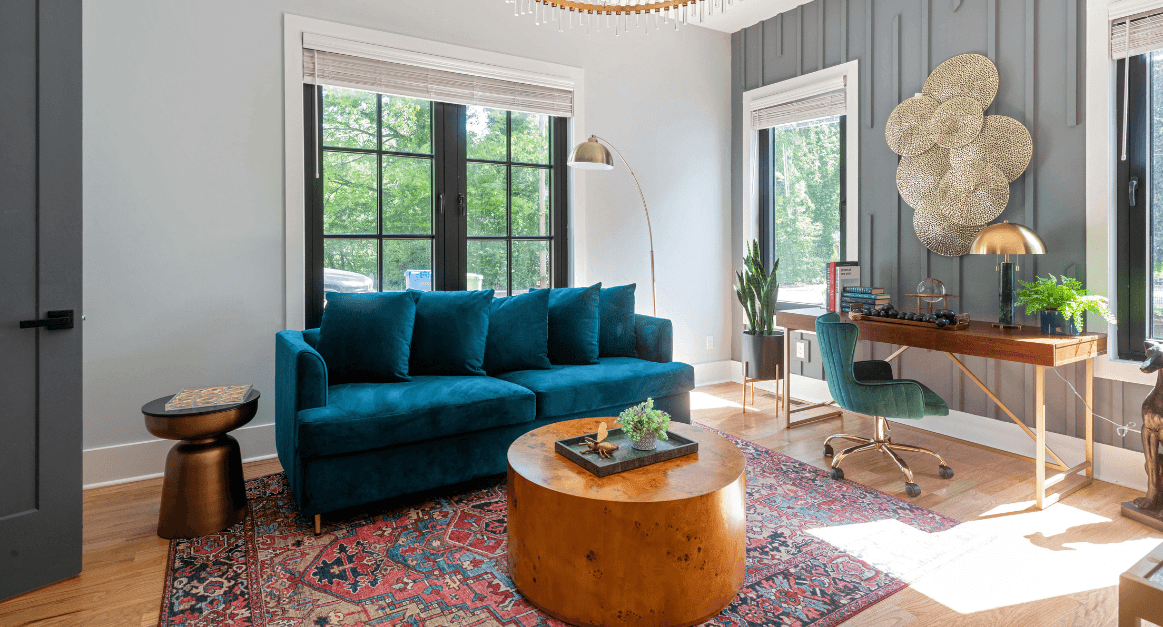
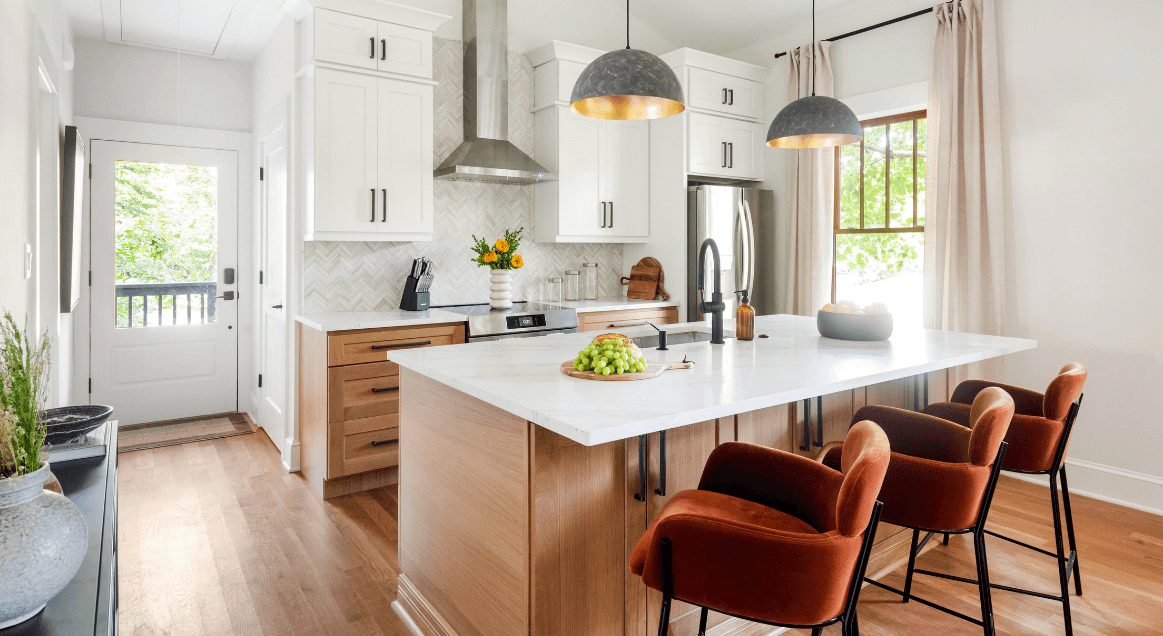
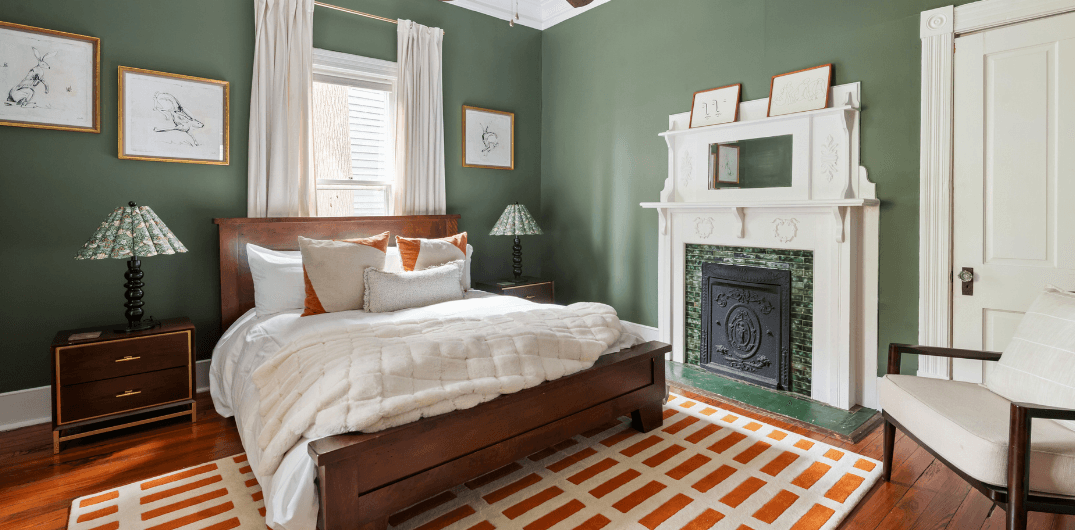
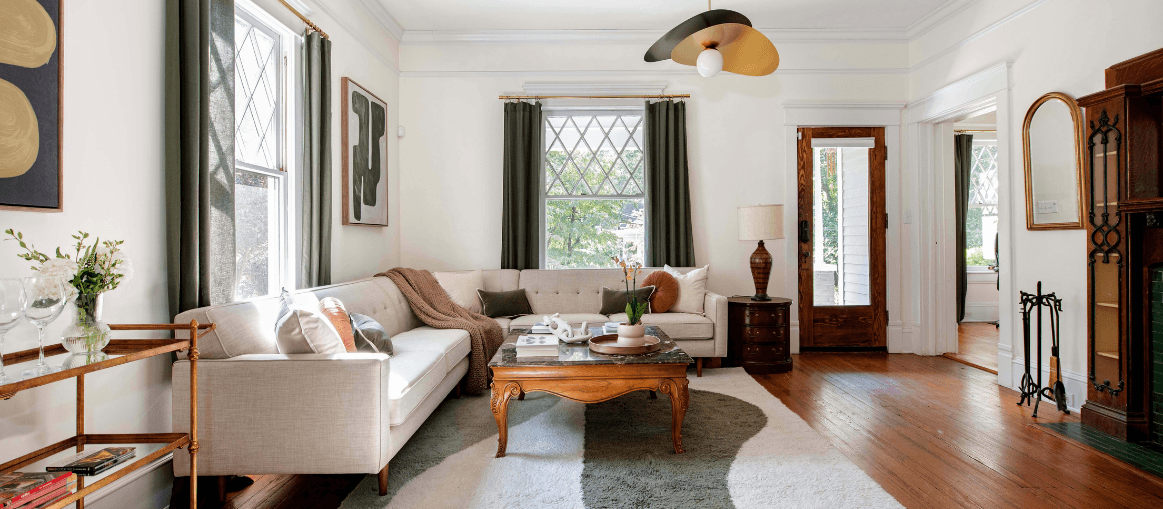
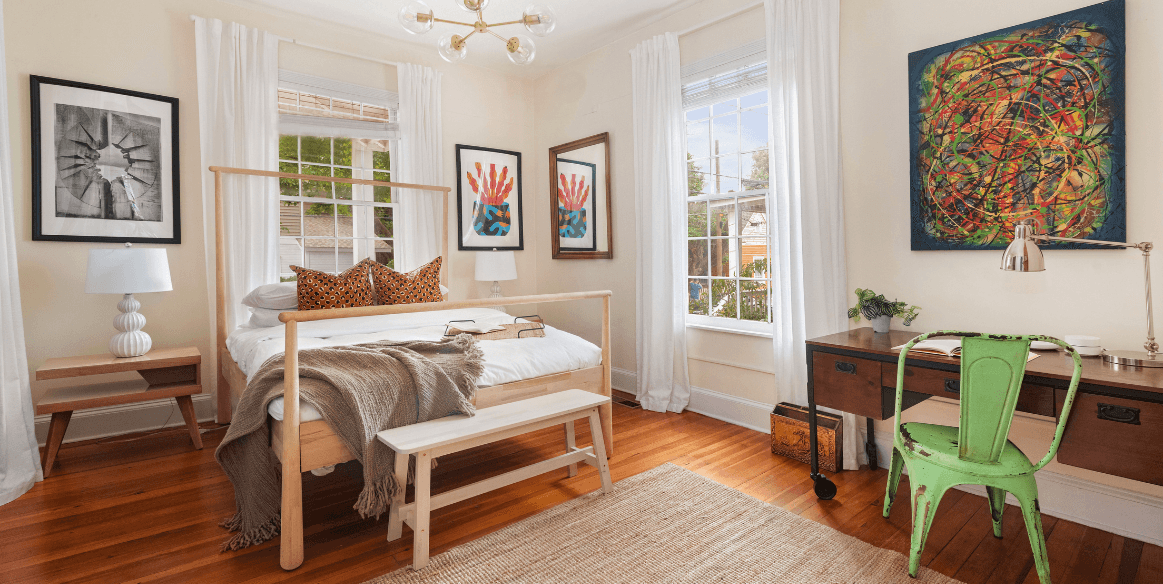
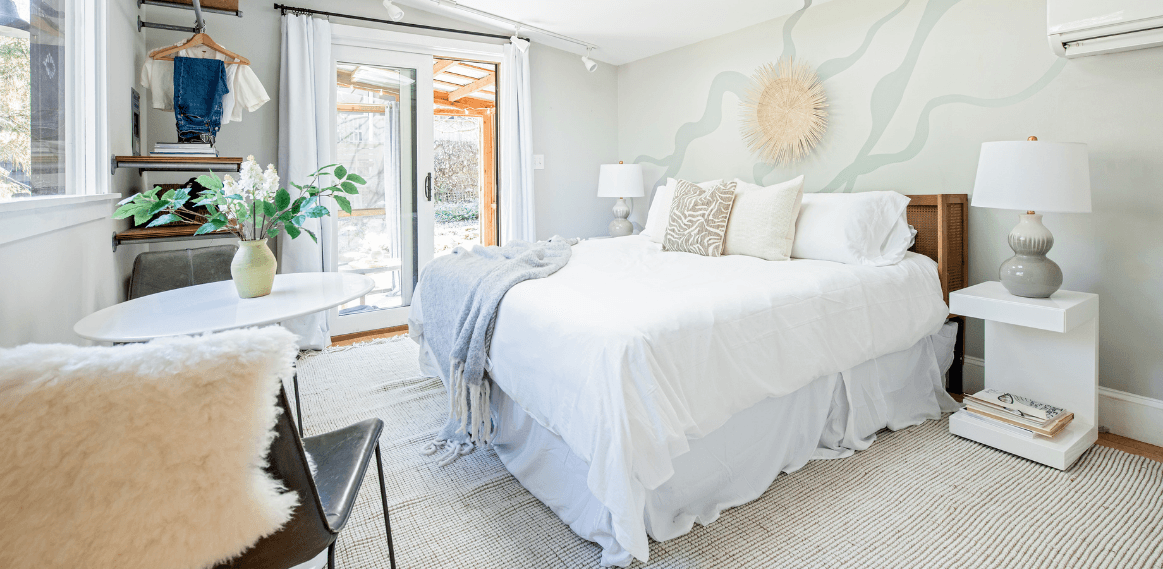
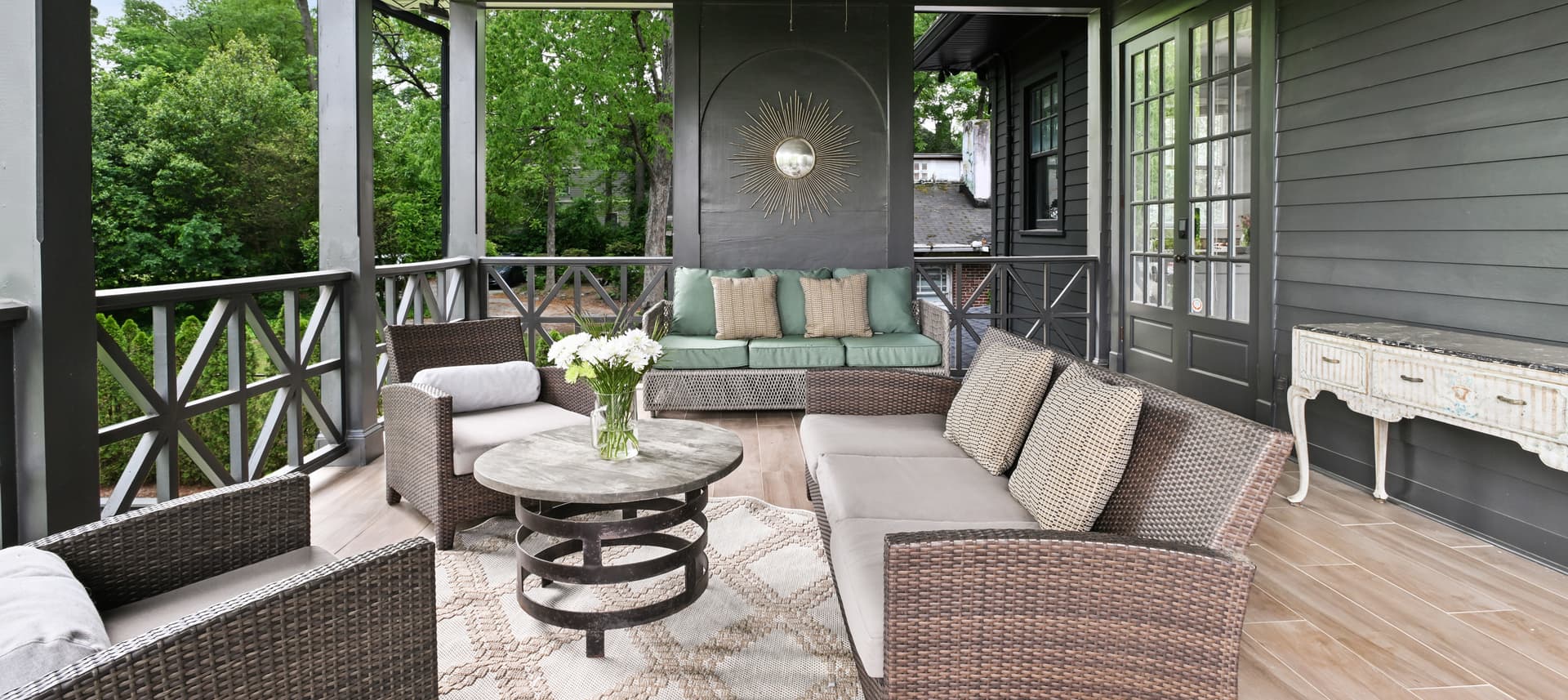
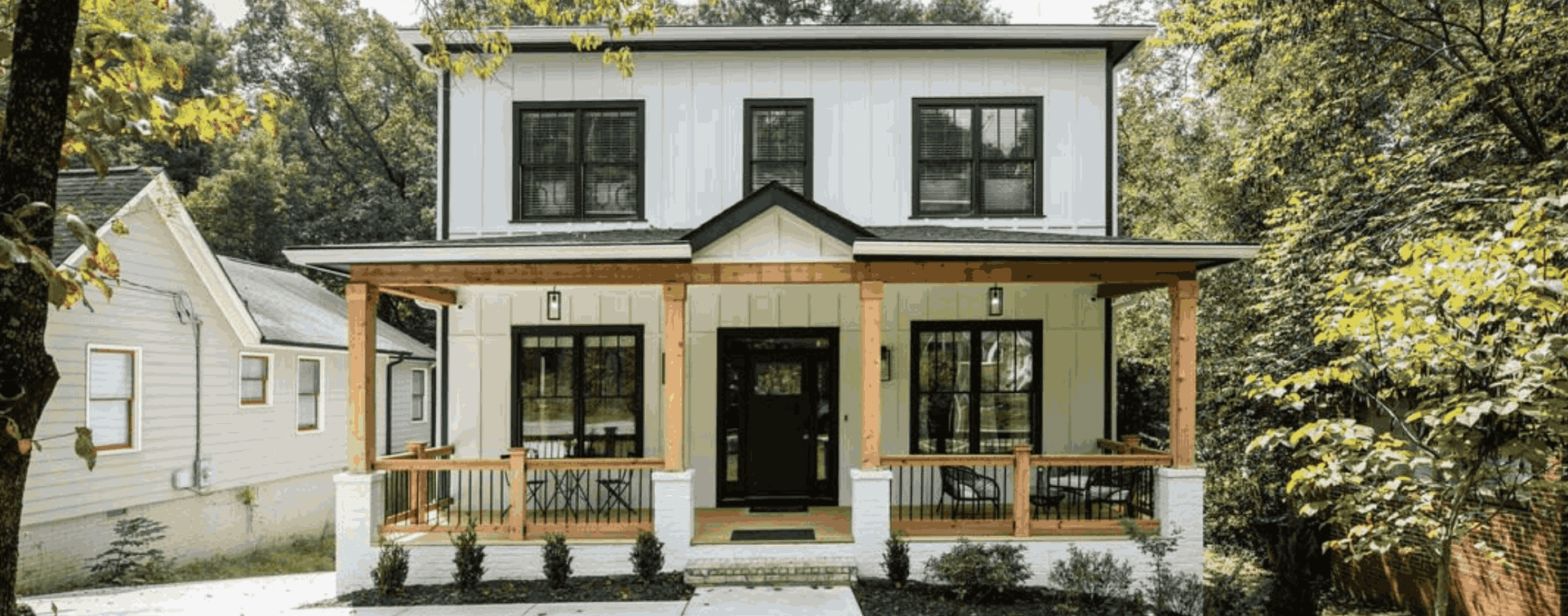
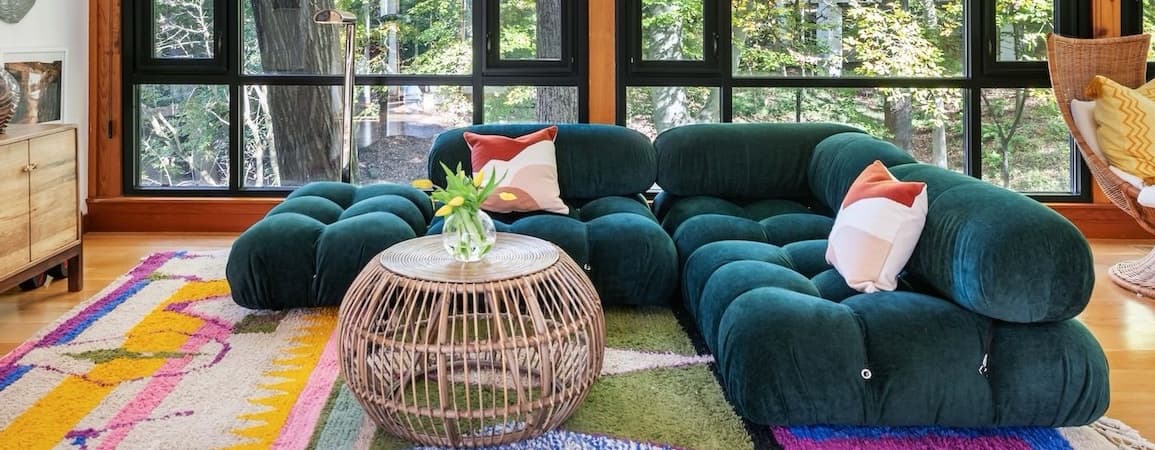
For families who fall outside eligibility, or whose situation calls for more privacy or a longer base than those programs offer, Minty Living manages furnished homes and apartments across Atlanta's intown neighborhoods. Everything is fully furnished and move-in ready — no separate trips for bedding, kitchen supplies, or furniture. Terms are flexible, from short stays through extended months, with no requirement to commit to a full lease.
Atlanta's intown neighborhoods — Inman Park, Old Fourth Ward, Virginia-Highland, Midtown, and others nearby — sit within reasonable distance of Emory and the broader hospital corridor in that part of the city.
If it would help to know what's available, or just to have one less thing to figure out on your own, you're welcome to reach out. There's no pressure and no sales pitch.
mintyliving.com or (404) 999-0841